Bird photography
The first professional wildlife photography hides in the Camargue
I built the hides myself, each one suited to its species, its spot and the conditions. Behind one-way, non-reflective glass the birds can’t see you, and you photograph them without disturbing them.
How the hides work
Fixed hides and floating hides
Season: March to July. Languages: English, German, French.
Floating hides
Low-angle photography at water level. Stable, lightweight and easy to handle, even in difficult conditions.
- Basic fitness and balance needed
- Waders provided free of charge for the floating hide sessions
- You bring camera gear, tripod head and a waterproof pouch for spare batteries and memory cards
- Safety briefing provided
- Morning or evening sessions. Stay as long as you like: until 11 am at the latest in the morning, until after sunset in the evening
- For beginners who have never photographed from a floating hide, I have a smaller marsh that is easier to keep track of
- Subjects: stilts, avocets, ibises, herons, terns and other wading birds at close range. See the full species list
Fixed hides
Permanent structures with stable conditions, eye-level perspectives and longer sessions in comfort.
- Car access with a short walk
- Room for up to three photographers
- You bring tripod and tripod head
- Camera bags stored inside, seating provided
- Morning or evening sessions. Stay as long as you like: until 11 am at the latest in the morning, until after sunset in the evening
- One-way, non-reflective glass; insulated and well ventilated
Bird programmes 2027
Choose your programme
You bring your camera. I organise the Camargue. Private group dates on request.
Camargue Hide Days
9–10 June · 15–16 June · 29–30 June · 6–7 July
2 days, 4 hide sessions
- Access to private locations
- Fixed and/or floating hides
- Waders included
€ 590 per photographerAccommodation excluded
Single floating hide session: € 150 per person / per session, on selected days on request.
Early Spring Wildlife Intensive
8–12 March · 15–19 March · 5–9 April
5 days, 4 nights
- Raptor hide for birds of prey
- Floating hide photography
- Fixed hides for birds and foxes
- Flamingo photography
- Includes one Camargue horse session
- Waders provided
€ 2,190 per photographer Companions welcome: 350 €, without taking part in shoots or hides
Interview
Mr.JanGear invited me, as their official ambassador, to talk about floating hide photography in the Camargue.
Birds and horses together?
The Intensive 2028 combines hides and two horse shoots in one trip.
Species on the Mas Michel estate
What you can photograph from March to July
86 bird species have been recorded on the Mas Michel estate between 2021 and 2025. Here is a selection of the species you can photograph during the hide season.
- Greater Flamingoall year, courtship in early spring
- European Bee-eatermid-April to end of July
- Black-winged StiltMarch/April to September
- Purple HeronMarch/April to September
- Squacco HeronApril to September
- Little Bitternspring to September
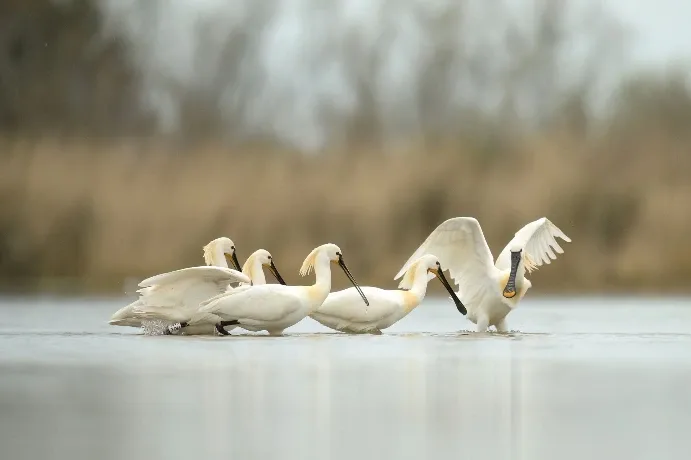
- Eurasian Spoonbill · Glossy Ibisspring and summer
- Black-crowned Night Heronspring and summer
- Eurasian HoopoeMarch/April to September
- Gull-billed Tern · Common Ternspring and summer
- Swamphen · Egrets · Kingfisherall year
- Snake Eagle · Black Kite · Marsh Harrierfrom spring
Why no season is like the last
Which species you can photograph is never completely predictable. It depends on the weather, on the water level in the marshes and on migration, which can start early or late.
Black-winged Stilts, for example, nest on small islands and raised spots in the marsh, right at the water's edge. If the water rises, their eggs are flooded; if the marsh dries out, foxes reach the nests more easily. Little Grebes and Red-crested Pochards, on the other hand, need deeper water.
On cold, rainy days there are fewer insects in the air, and when the Mistral blows hard, the bee-eaters hunt less.
And some birds are only short visitors: the Sacred Ibis turns up in my marsh just once a year, for a few days.
That is why I always recommend coming for several days, at different times.
Gallery
What waits at eye level
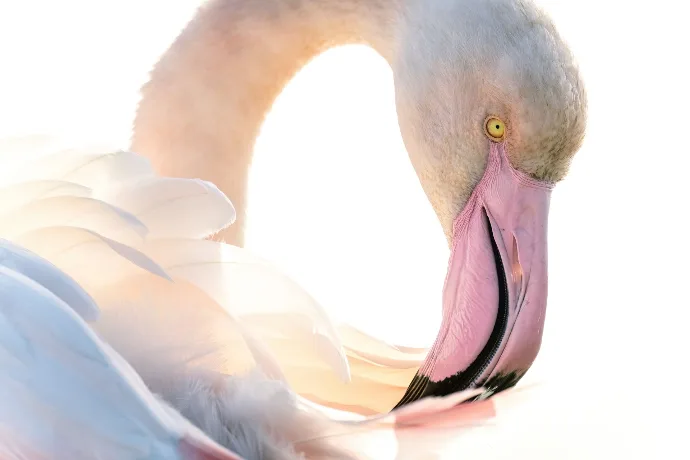
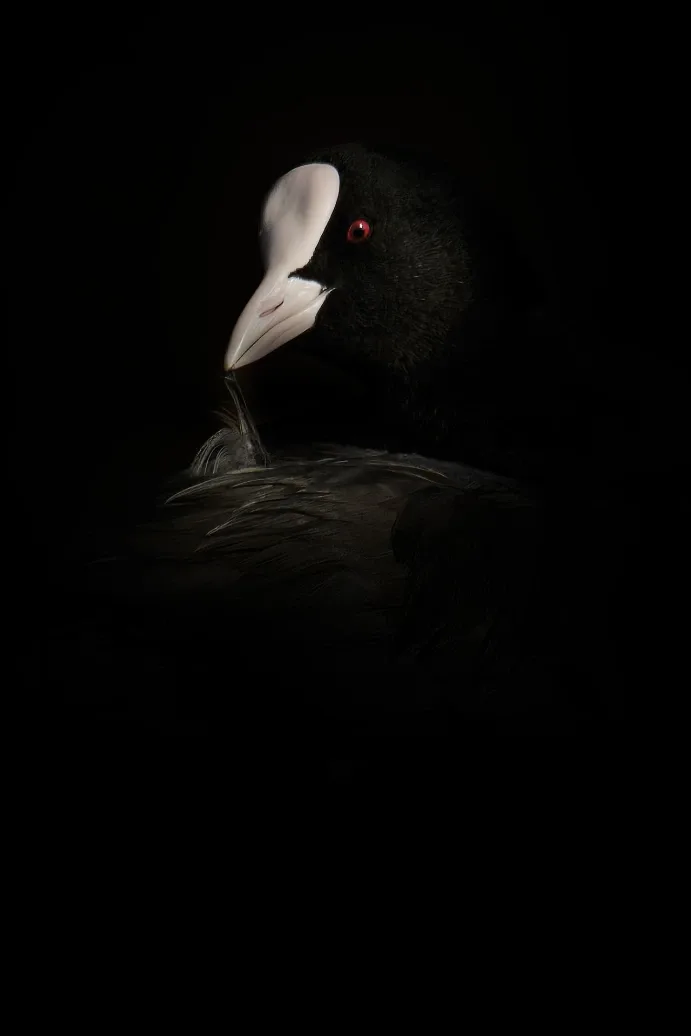
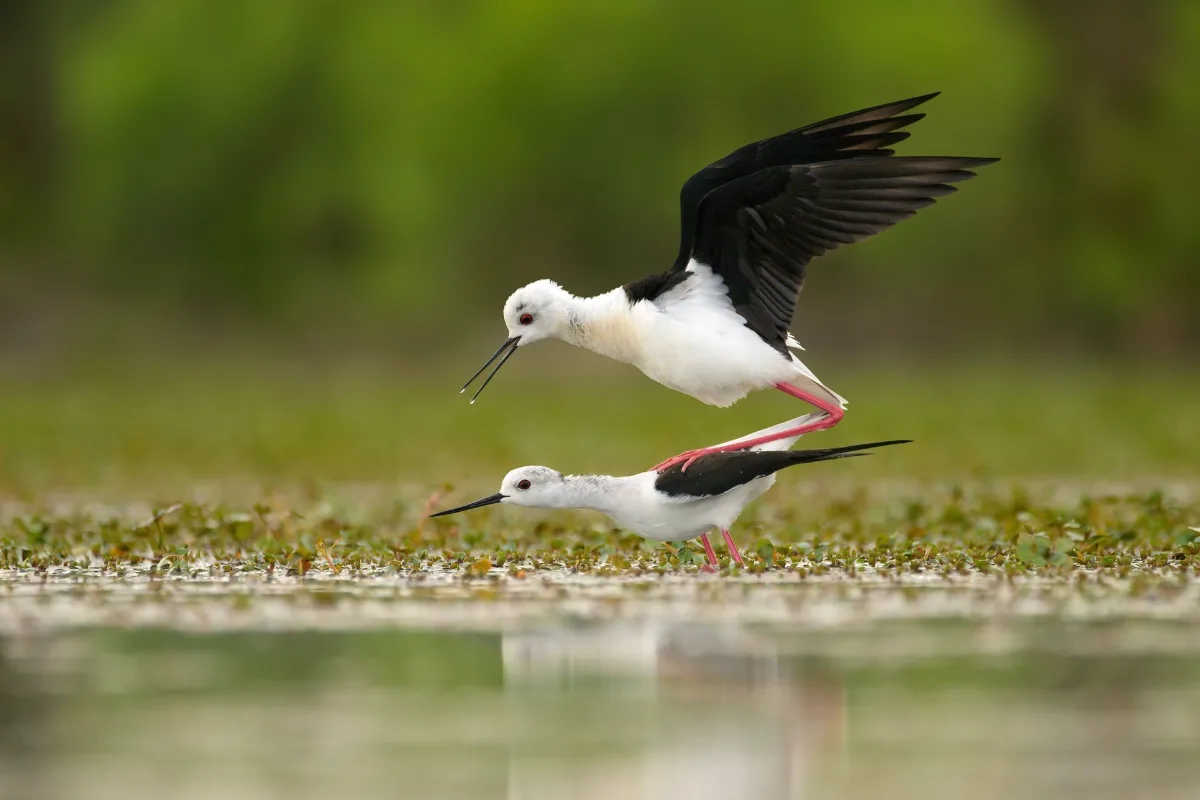
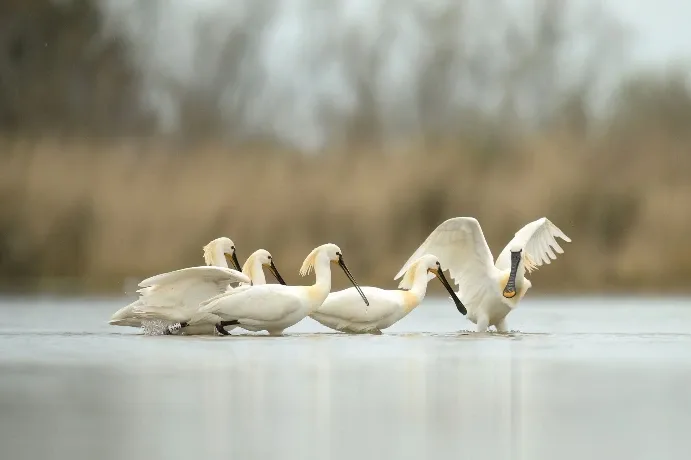
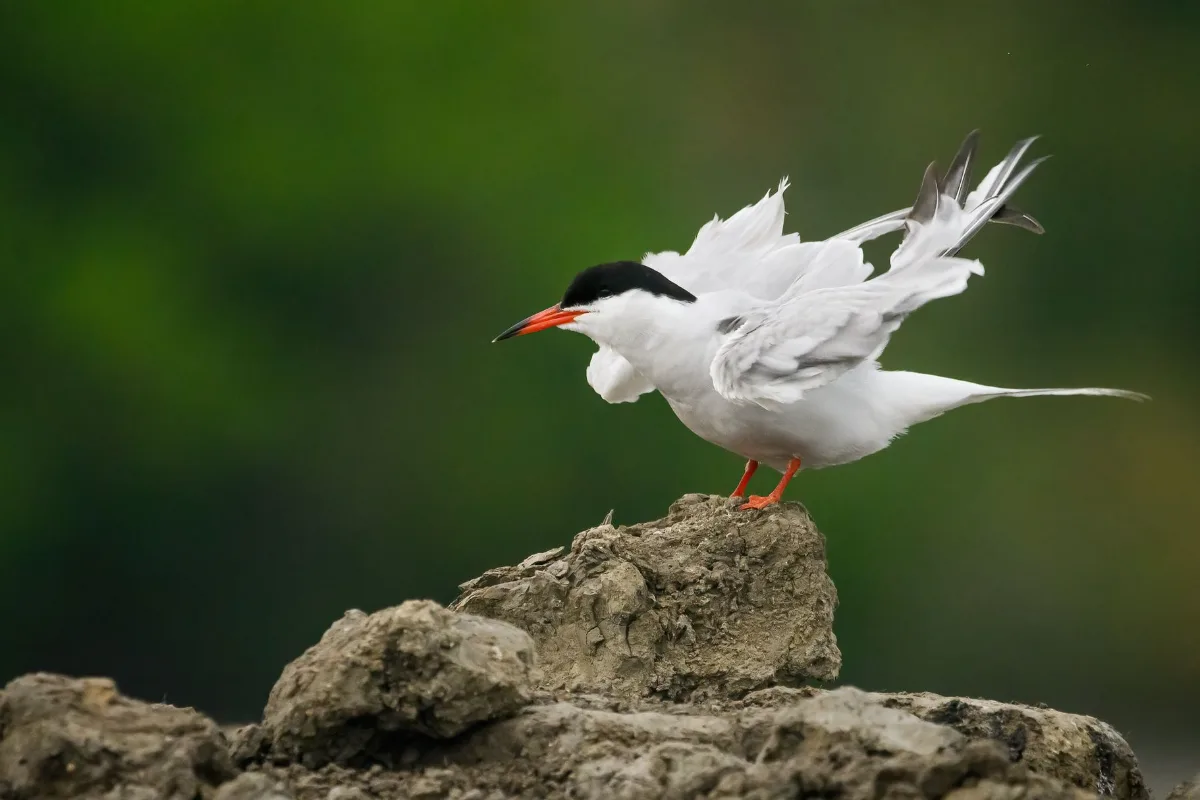
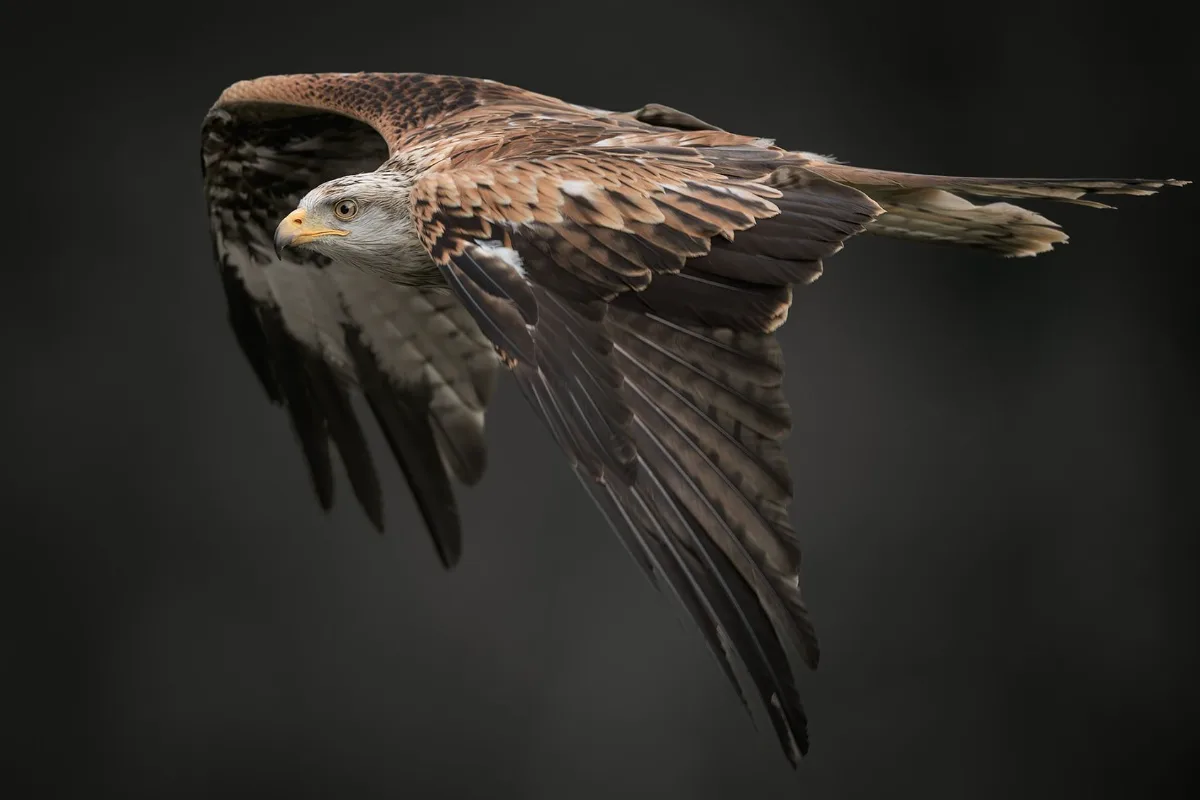
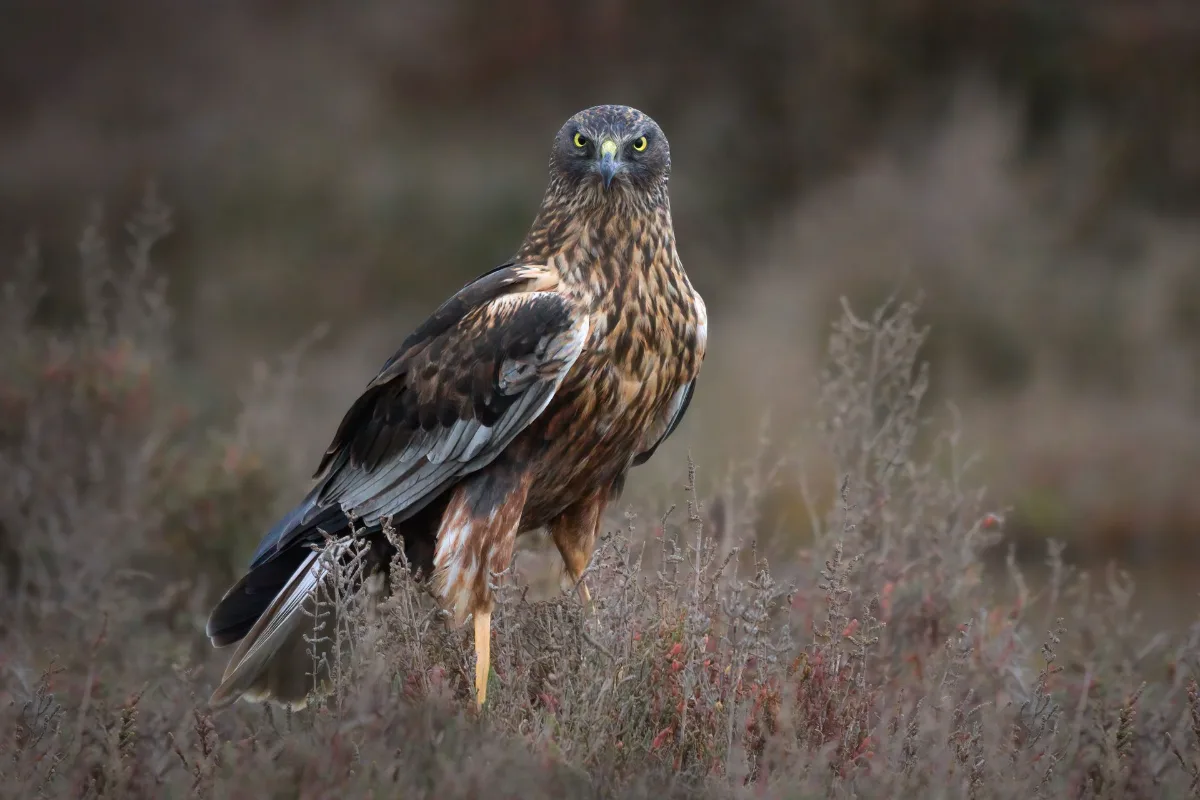
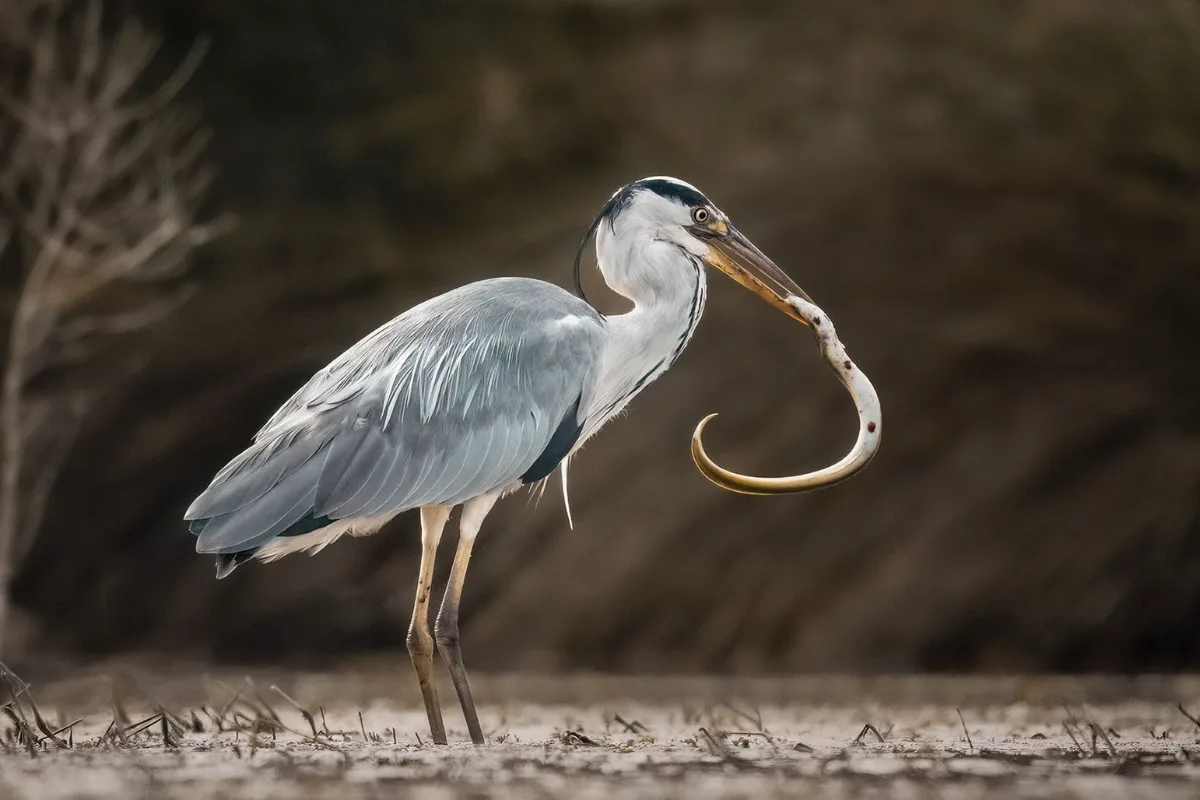
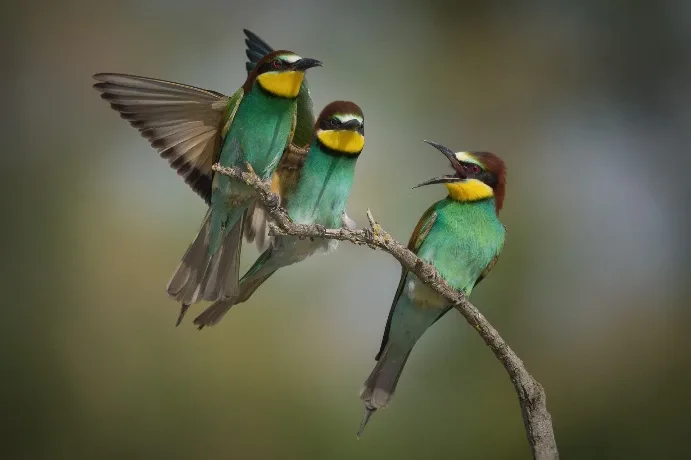
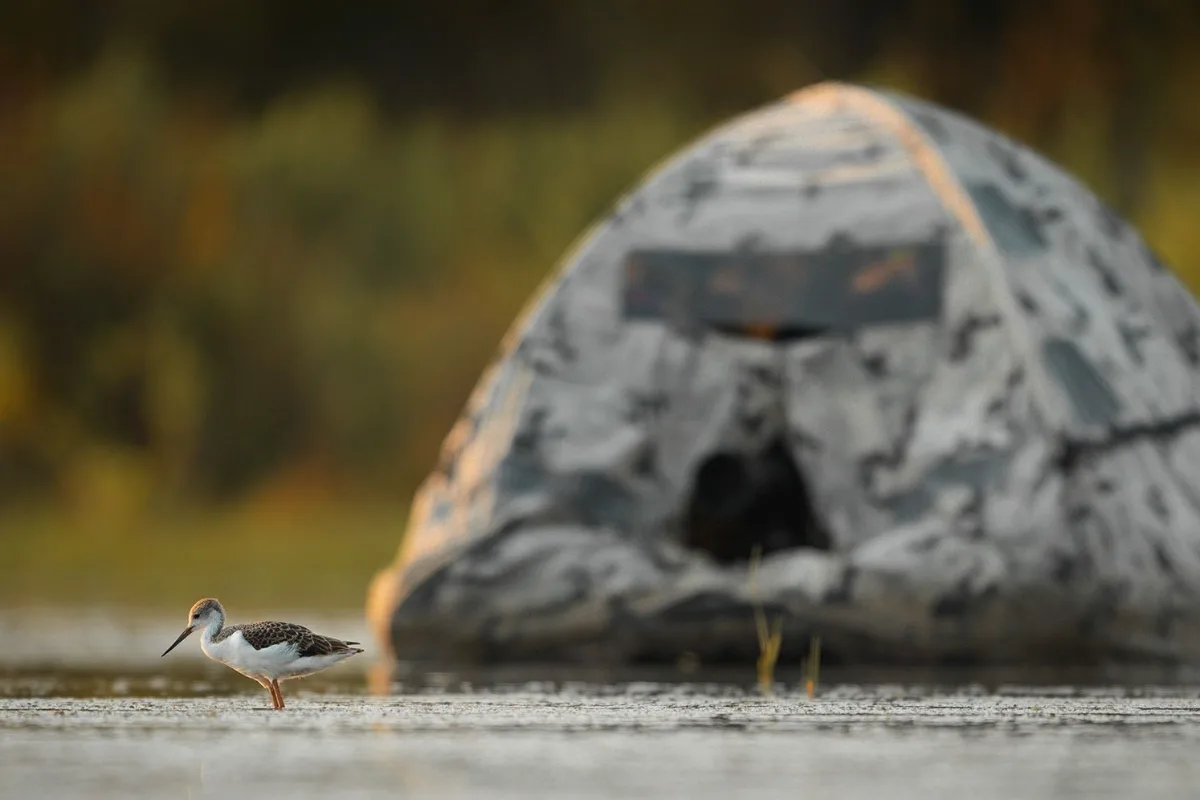
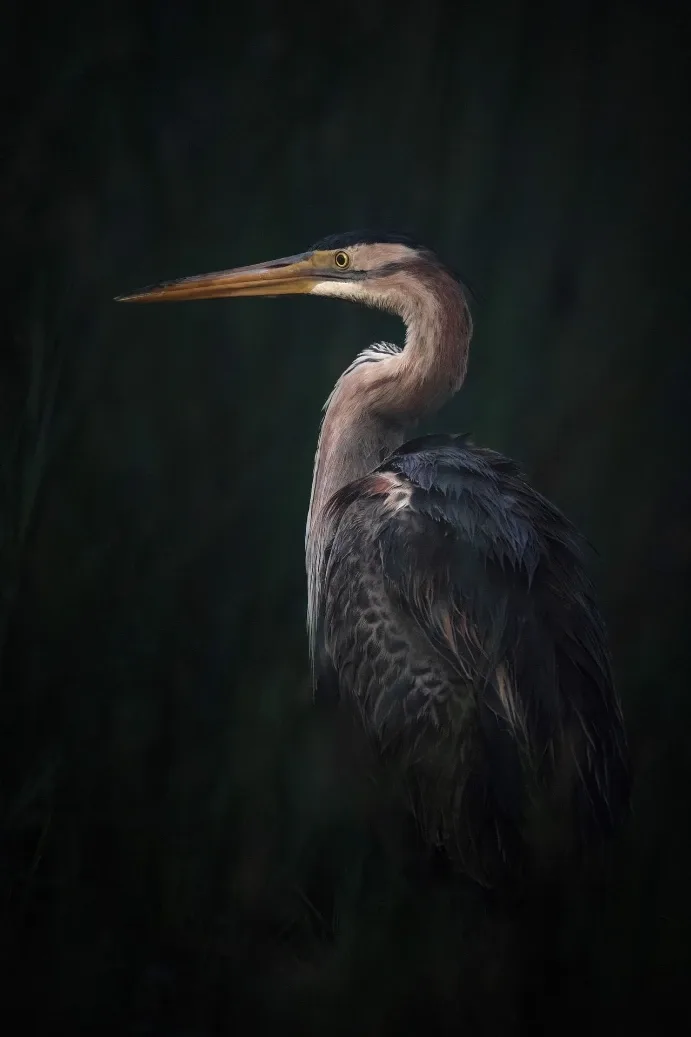
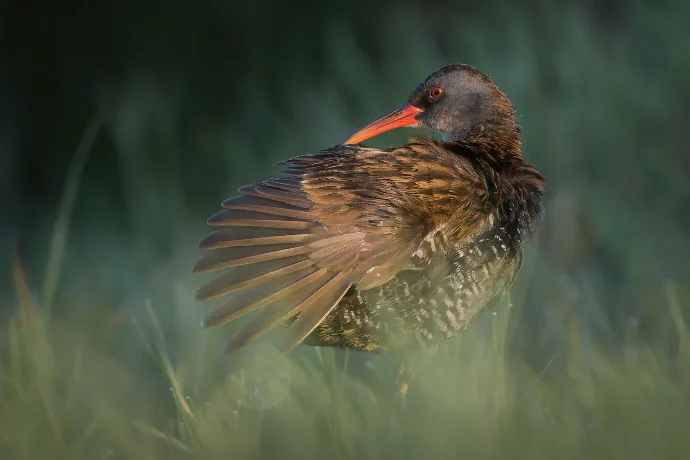
...and many more species waiting just outside the hides.
From the Camargue Journal
Stories & tips
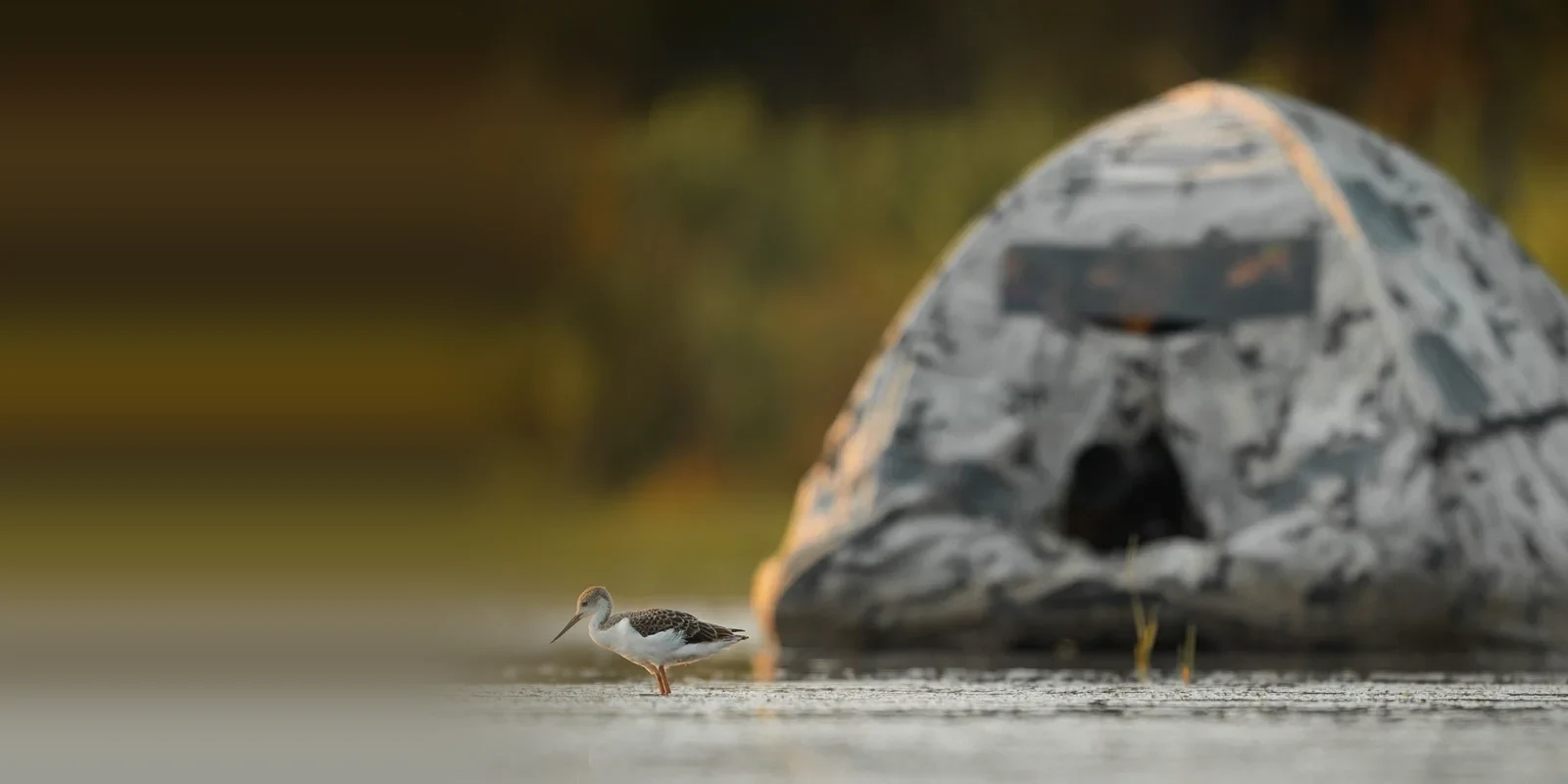
Photographing birds from a floating hide in the Camargue
Read the article →
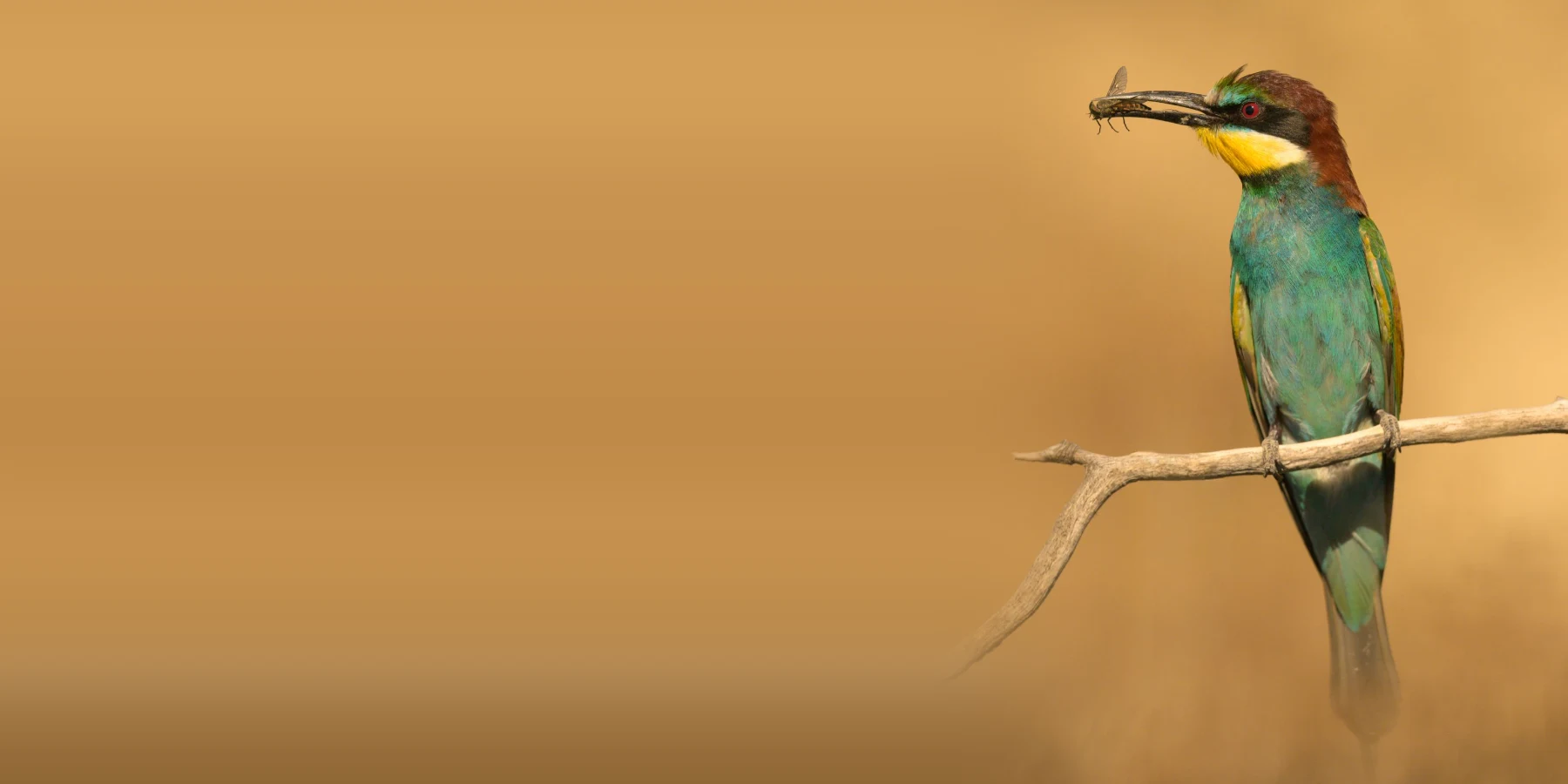
Bee-eaters in the Camargue – when they arrive and how to photograph them
Read the article →
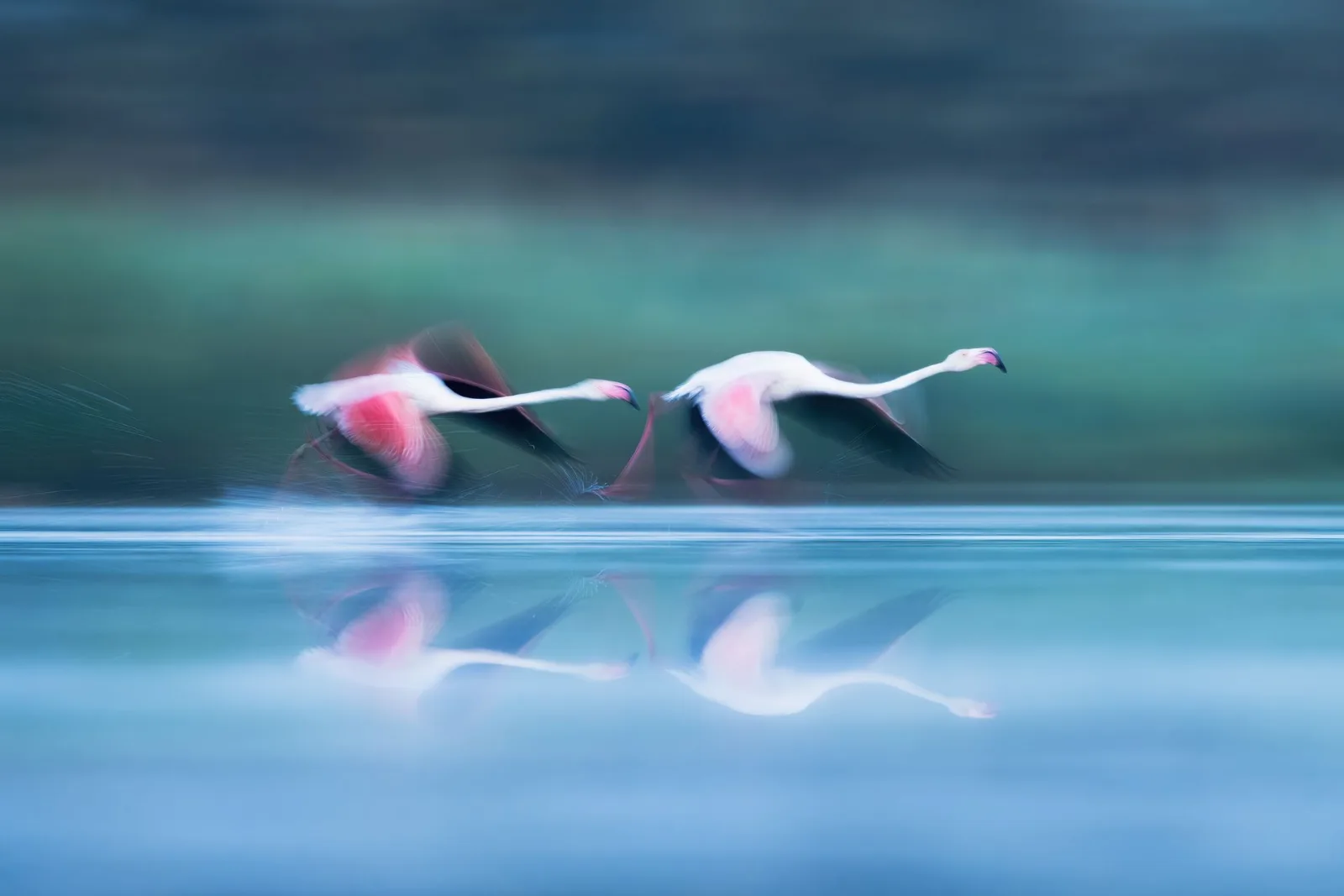
Flamingo courtship in the Camargue – when and where to see it
Read the article →
When to photograph birds in the Camargue – a month-by-month guide
Read the article →